• Research Blog 6 – “Bioart and Post-Humanism” by Angelo Vermeulen

    Blog Topic: “Bioart and Post-Humanism” by Angelo Vermeulen

    Student Name: Chan Pak San

    Student number: 57155254

    Introduction

    Vermeulen created frameworks where humans, biological systems, and technologies become co-authors rather than master and subjects while his approach resonating deeply with Hans Jonas’s critique from our lecture about anthropocentric ethics being inadequate for our technological age, he doesn’t just make art about post-humanism but created living systems where agencies are distributed across multiple actors and challenged the human-centered worldview that has dominated both art and science.

    Artwork & Analytics

    Biomodd (2007)
    (Img source: https://www.angelovermeulen.net/wp-content/uploads/2015/01/Biomodd-LBA2-2009_algae-cooling01_photo-by-Trixie-Beredo.jpg)

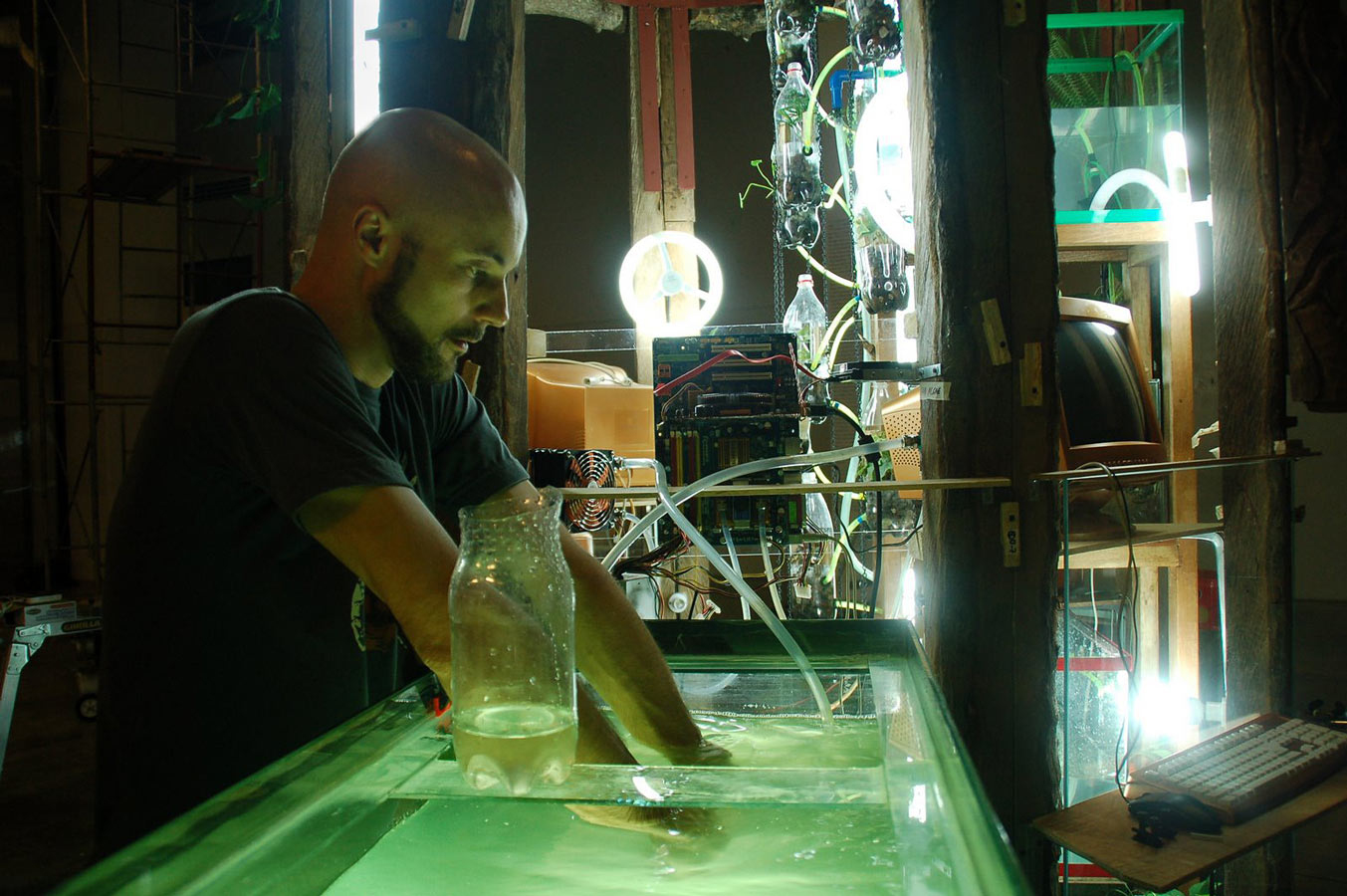
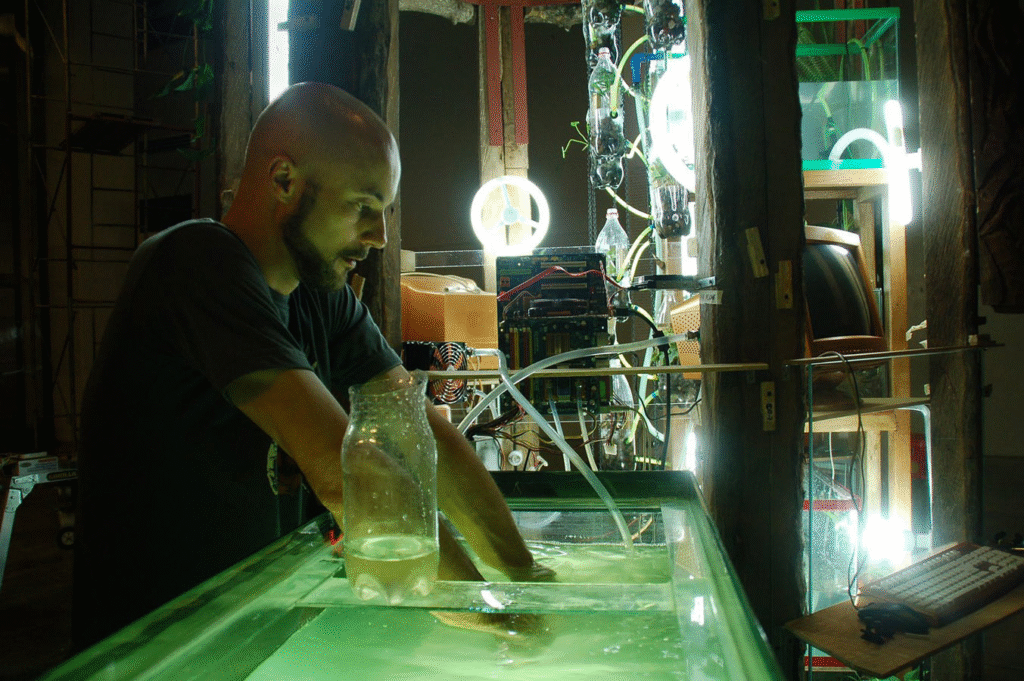
    It completely reshaped how I think about human-technology-nature relationships. This globally replicated project where communities build installations of computer waste heat sustains algae or plant growth while these living systems cool the electronics is a perfect symbiosis of the relationship. And I think what makes this work so powerfully post-humanist isn’t just about technical integration of the technologies but how Vermeulen surrenders the authorship to participants and organisms alike. From the workshop footage from Athens where homeless people, students, and the algae itself all became co-creators, dissolving hierarchies between human with non-human and natural with technological in ways that directly confront the “co-creation with nature” versus “playing god” dichotomy we discussed.

    Seeker (2012)
    (Img source: https://www.angelovermeulen.net/wp-content/uploads/2015/02/s08.jpg)

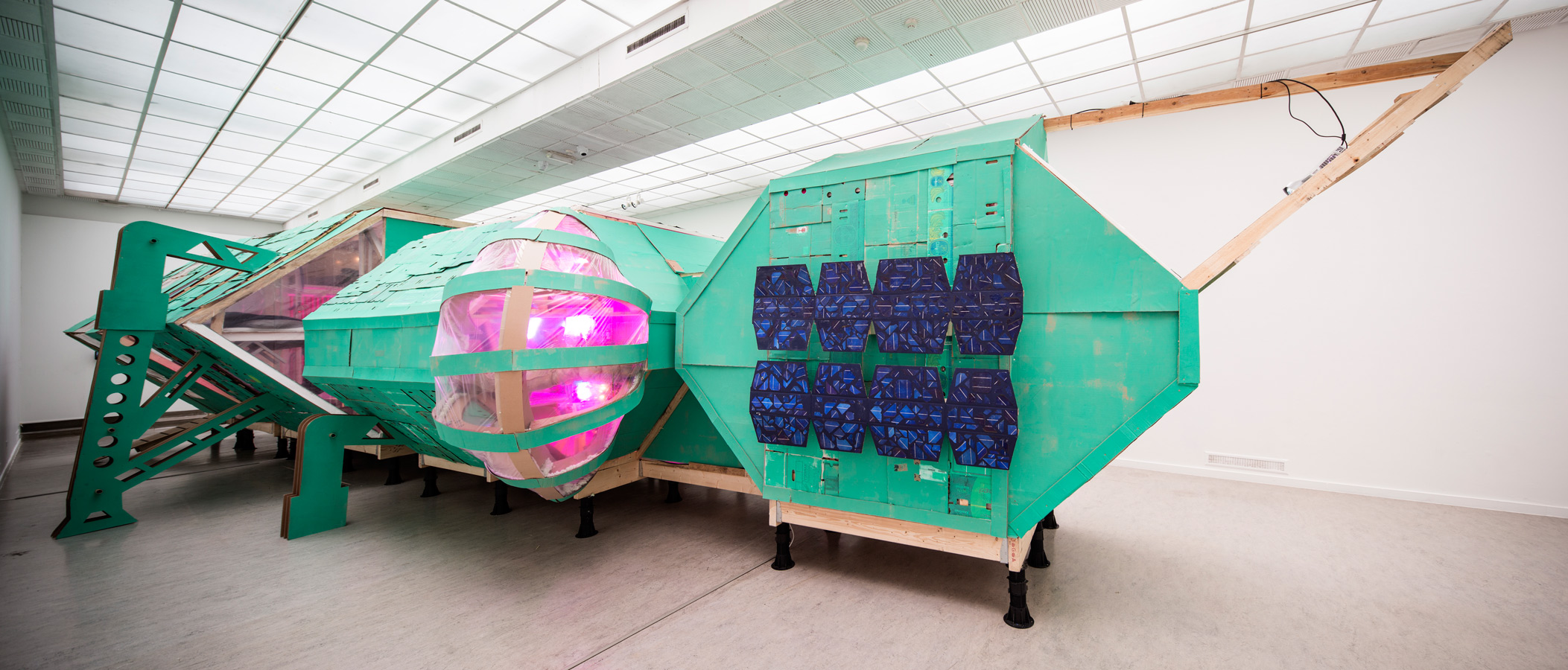
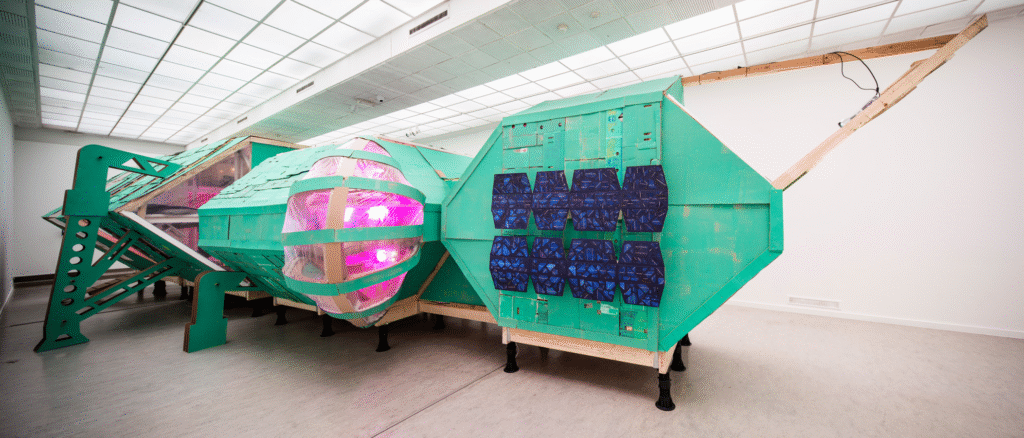
    Seeker meanwhile extendd this thinking to cosmic scales while subverting traditional space exploration narratives, instead of sleek spacecraft designed by experts, he facilitated communities worldwide to build speculative vessels from local materials and knowledge where Philippine fishing communities incorporated traditional boat-building techniques and while Detroit residents used automotive industry scraps. This approach challenged the colonial, anthropocentric logic of conventional space programs of suggesting interstellar survival might in fact require abandoning human exceptionalism altogether. Like the “myth-making” practices, (such as Agnes Meyer-Brandis’s Moon Goose Colony), Seeker creates new narratives but crucially they emerge from collective imagination rather than a single artist’s vision, embodying what Jonas called for an ethics that considers how our actions affect more-than-human worlds.

    Conclusion

    Vermeulen’s practice has fundamentally changed how I understand art’s role in the post-human condition. Many artists use biology as medium to make statements but here he created the conditions where control is deliberately distributed across human and non-human actors. I think in a world where technologies have increasingly centralizes power, his commitment through these works to community co-creation and symbiotic systems have offered something hopeful to us as they are not just representing alternative futures but showing enacting of them through collaborative practice. And I see his work as performing the very post-humanist relationships our current ethical frameworks struggle to accommodate which Vermeulen are making abstract philosophy tangible through warmth-giving computers embraced by plant roots and spacecraft built from collective dreams rather than corporate agendas.
  • Research Blog 5 – “AI and Machine-Assisted Creativity” Memo Akten

     Topic: Research Blog 5 – “AI and Machine-Assisted Creativity” Memo Akten

    Student Name: Chan Pak San

    Student number: 57155254

    Introduction

    For me I think the most compelling new media art is not just using different technologies as a tool but turning the tool back on itself to reveal something true about our own world. Memo Akten explores AI and different machine learning techniques like DL not just as a means for creating aesthetics that many people can do nowadays, but showing the very nature of our human perception and the hidden biases of the society we are living in like a mirror. His practice is not as simple as “Can a machine be creative?” but really a territory where a machine has a particular way of “seeing” could teach us about ourselves. I have chosen his artworks ‘WordOfMathBias” and “We are made of star dust” as the examples for this research demonstrating the machine-assisted creativity and also touching the concepts like intentional agency and ethical dimensions of AI mentioned in the lecture.

    WordOfMathBias (2016)

    (Img source: https://www.memo.tv/works/wordofmathbias/)

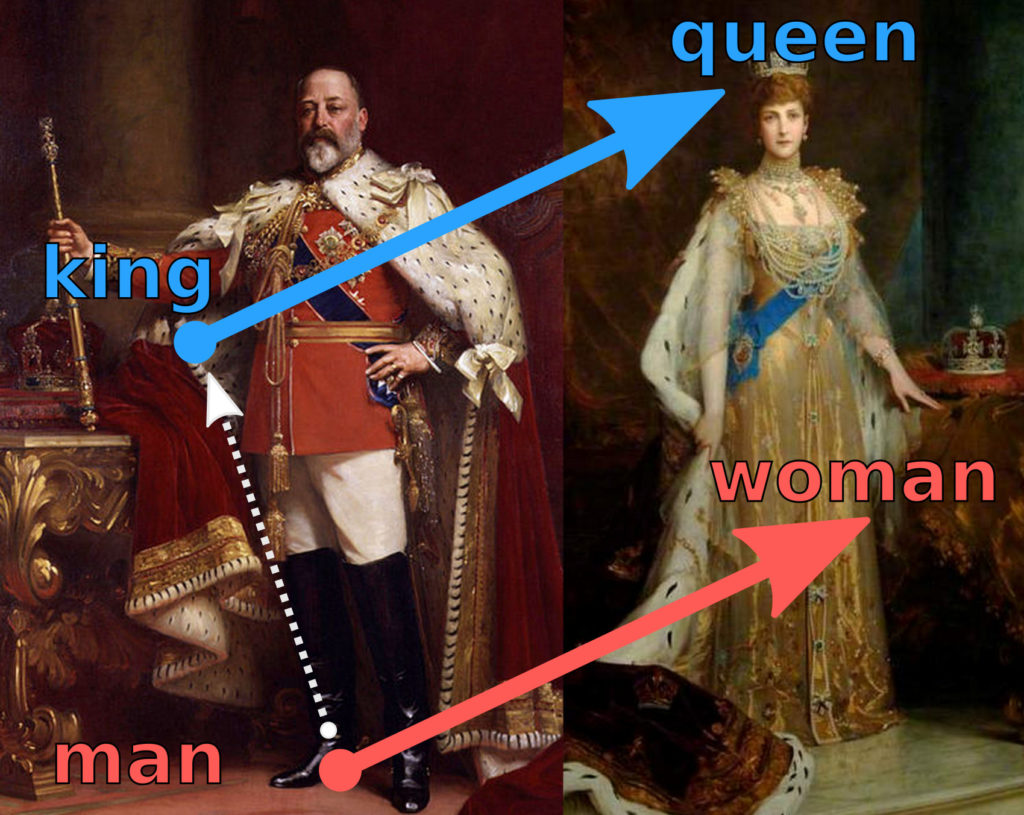
    I see this artwork as a direct confrontation of the “ethical and social dimension of AI” which takes a critical stance on the objectivity of statistical AI with vectorizations of reality. This artwork utilized the Google Word2Vec model, translating words into numerical vectors like “king – man + woman = queen”. This illustration revealed the deep-seated gender and racial biases which AI has learned from its training data, where the data shapes reality into a biased mind.

    Yet, the most powerful of this work is that it serves a real-world example of the “Clever Hans” effect regarding the uncertainty of what a model has actually learned. The model association of men with careers and women with domesticity are not errors” but a direct reflection of the biases presented in the corpus of the text the model was fed, linking back to the “intentional agency” where Akten critiques the idea of these algorithm as a neutral creator instead of exploding it as the product of its environment, suggesting even this sophisticated AI models is shaped by the “systems of myth and meanings structuring our imaginations”.

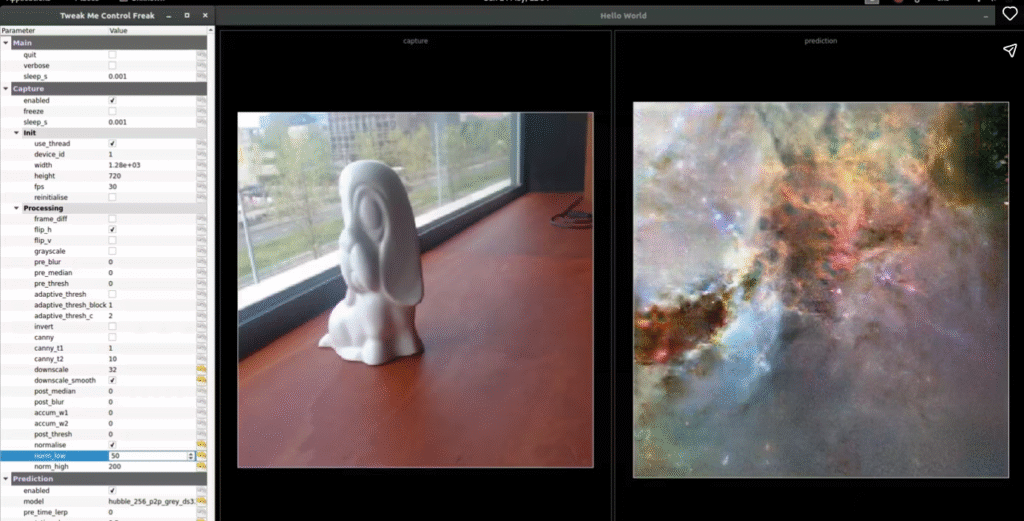
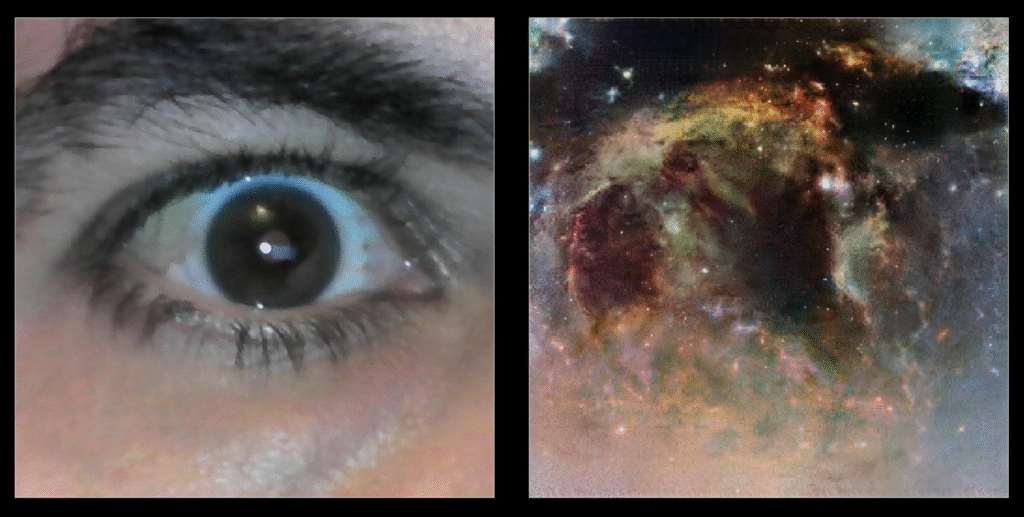
    We are made of star dust (2017)

    (Img source: https://www.memo.tv/works/we-are-made-of-star-dust/)

    Unlike the WordOfMathBias revealing the hidden logic behind AI models nowadays, this work “We are made of star dust” make the process of machine perception of our reality poetic and more of a interactive experience similar to the “Learning to see: Gloomy Sunday (2017)” that was discussed in the lecture. The AI for this work was trained exclusively on specific datasets of images from Telescope, using it to interpret a live feed of our everyday objects. This installation visualized the AI’s “period eye” perception of historical and cultural context, but in this work by a curated dataset.

    This work in fact raised a question that I was thinking, is AI discovering the “true’ form of the objects” or is it imposing its limited pre-trained knowledge of the objects with the concept of pattern discovery vs pattern imposition? Akten suggests the latter as his opinion which any form of intelligence, whether it is human or AI, in fact perceives the world through a filter of prior experience. I think this is more than simply Turing test’s of simple imitation game, but instead a more philosophical understanding of “hard problem of consciousness” regarding the subjective experience of “seeing”.

    Conclusion

    My reflection of these works is rather claiming the AI as an autonomous creator, the artists should instead curate conditions under which it operates to reveal things new about both the machine and ourselves. I think the most critical concept is while we are developing the increasingly complex AI, we are still required to be critical on the values embedded with these AI and conscious of how they shape our own perception of the reality.

  • Research Blog 4 – “Domestic Tension” by Wafaa Bilal

    Blog Topic: “Domestic Tension” by Wafaa Bilal

    Student Name: Chan Pak San

    Student number: 57155254

    Introduction

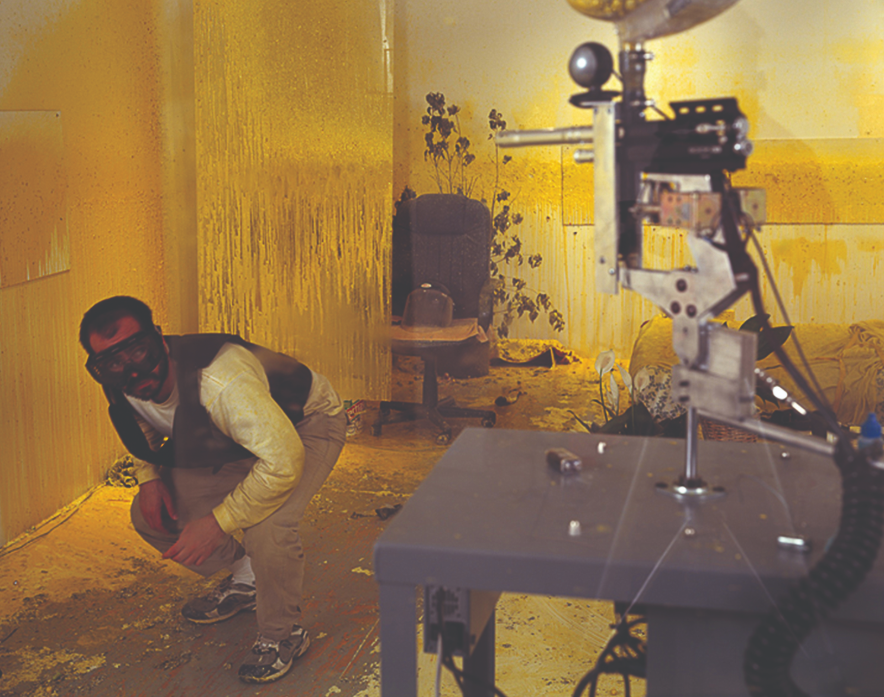
    The performance of Wafaa Bilal’s 2007 “Domestic Tension” is quite a unsettling work of the interactive new media art for me. Waffa Bilal has created this one-month long performance that confined himself in a gallery in Chicago. In the gallery, he designed this making himself as the target of a remote controlled paintball gun. This gun could be fired by anyone online 24/7 and which demonstrated the weaponization in the very technology of telepresence. Given that the webcam, remote control and the networked communication is not used for as its original intention of fostering connection between others but have been used for a direct and visceral confrontation, this work actually explored a violent potential of the mediated touch and serving as a powerful critique of the disembodied nature of modern warfare, also relevant to the core theme of the lecture of how technology’s role is distancing us from the consequences of our own actions.

    (Img source: https://anthology.rhizome.org/domestic-tension)

    Artwork & Analytics

    In this interactive performance, this gallery room which Wafaa Bilal was in have became a physical-virtual “battleground”. Online users from anywhere in the world could watch his performance with the live cam, and which they can also chat with him or even fire the paintball gun at him. This is showing the act of mediated violence centraling to the work, in which Wafaa Bilal was trying to let people who are living in the “comfort zone” knowing the realities of the “conflict zone” in Iraq, where his brother was killed by a remote US drone strike. This intention served as a mirror to a gamified-like interface of remote warfare, making it as if it was some kinds of video game.

    This work presense the idea of telepresence, which is defined as the feeling of being present at a remote location by the means of real-time telecommunications devices. The online users with the computers are shown to an interface that creates a sense of agency and presence in the gallery, and their actions, click have given the immediate real-time effect to the gallery, to Wafaa Bilal and the artwork itself. I think the anonymous online shooter in this artwork “Domestic Tension” are the perfect embodiment of the fantasy that Katherine Halyes suggested. The actions from the users are disembodied, and detached from the physical pain or psychological trauma they inflict. And the artwork itself received 60,000 shots over 30 days, which made Bilal to have experienced some symptoms of PTSD.

    Given that the online shooters remain comfortably disembodied, Bilal standed in the opposite direction of this embodiment – hyper-embodied. He himself put his own physical presence and potentially the mental well-being to create a strong sense of the consequences of the mediated “touch” visible and real which can be seen by his bruised body and the paint splattered across the room, showing the “physical trace” of the digital actions. This ultimately created a sense of causal link between a disembodied action and its embodied consequence to the audience which also raised ethical and political crises.

    Conclusion

    This artwork have strongly shows how the lecture mentioned about the mechanics of telepresence and showing a profound moral challenge in today’s world, revealing how technologies originally designed to make the world better but also facilitate violence by creating psychological distance and a false sense of consequence-free actions. This work powerfully aligns with Hayles’s call to resist disembodiment by reminding everyone of us that behind every “operational image” or any remote action, they could be a physical and a vulnerable body in reality. This remains a very strong work that presented the ethical dilemmas that forces us to confront the human cost of our mediated actions.

  • Research Blog 3 – “Light Work” by Lis Rhodes

    Research Blog 3 – “Light Work” by Lis Rhodes

    Blog Topic: “Light Work” – Lis Rhodes

    Student Name: Chan Pak San

    Student number: 57155254

    Introduction

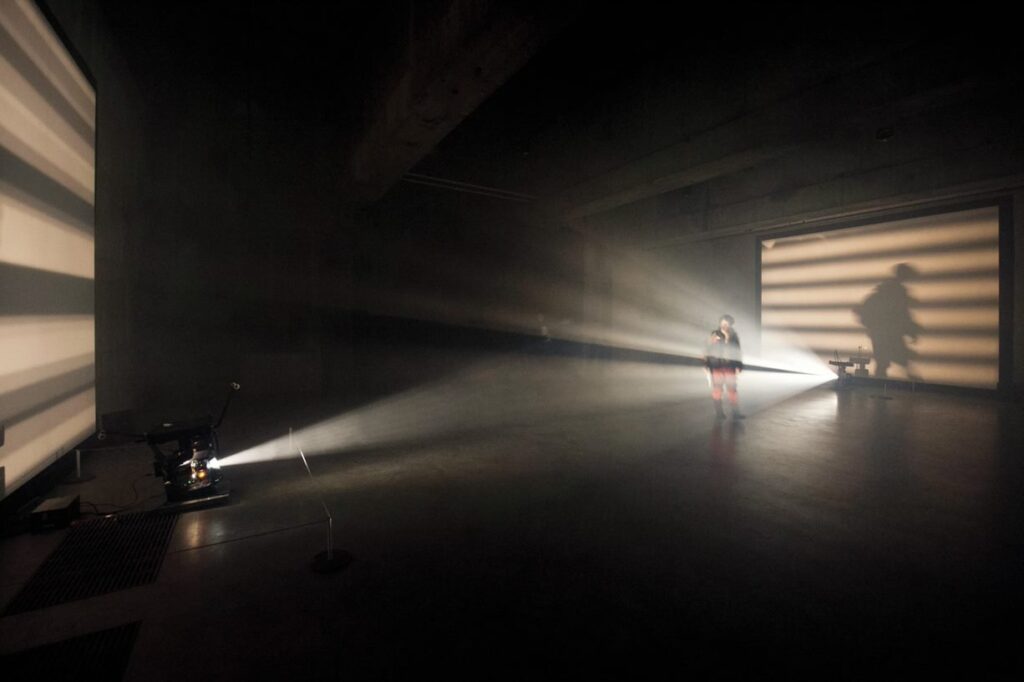
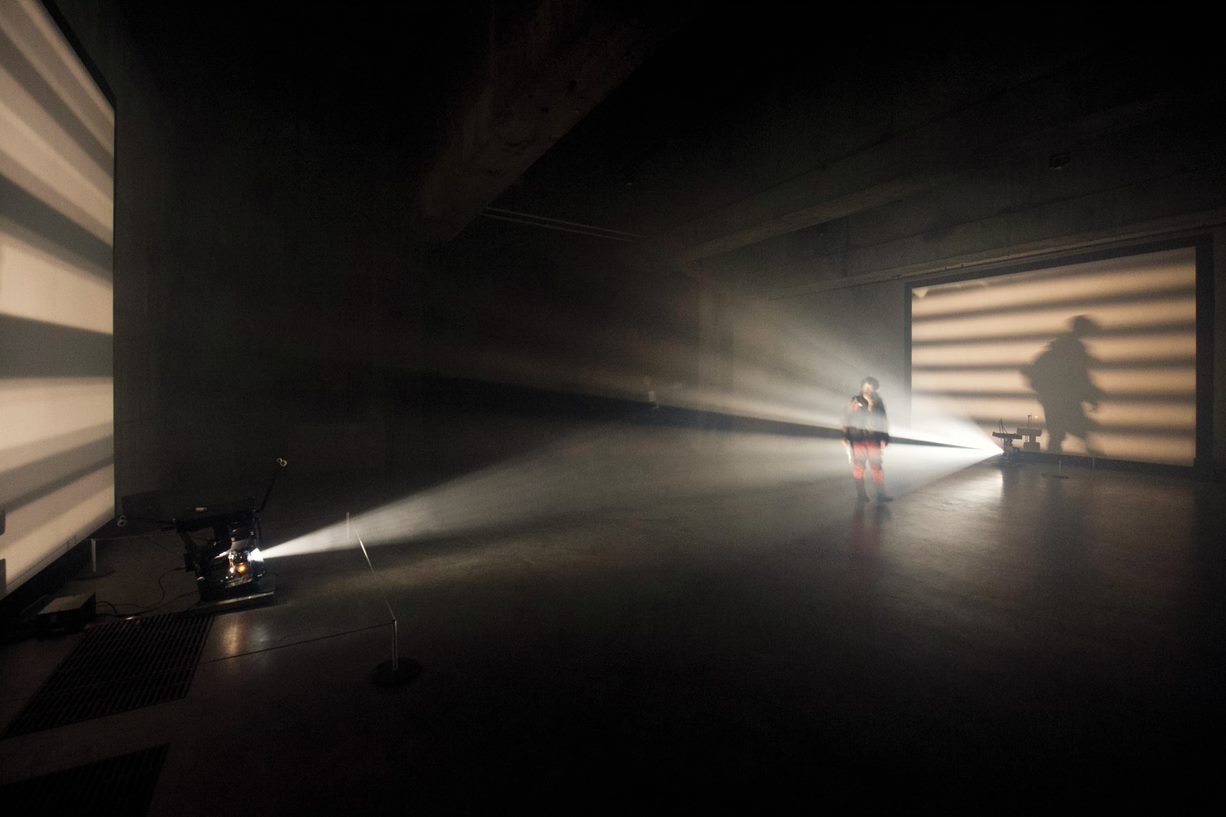
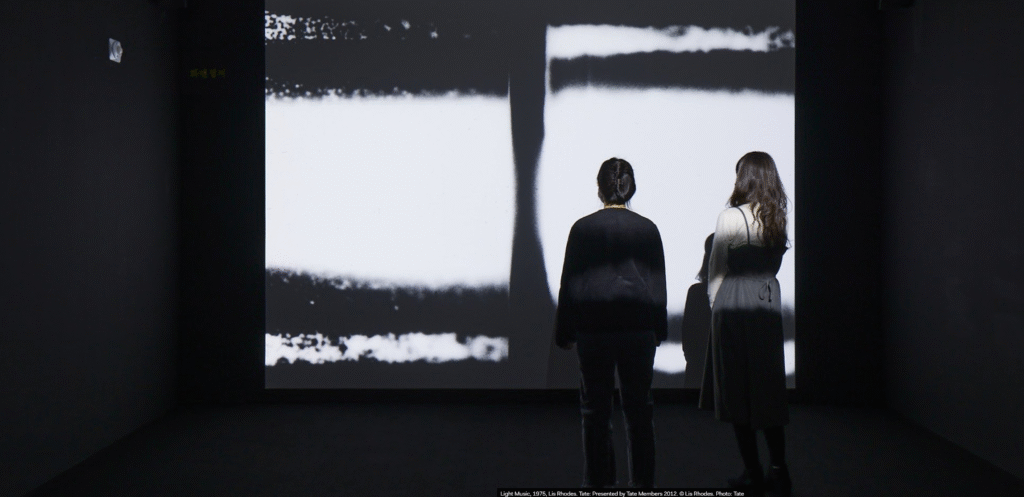
    Lis Rhodes is particularly focused on the British experimental film and had a concept of challenges the conventions with cinematic production and the reception. With that and with the concept of expanded cinema of this week research question, I am focusing on the 1975 installation of her “Light Music” with the radical deconstruction of the relationship between the sound and image. This work “Light Music” is quite a quintessential example of how the “expanded cinema” works by the fact that transforming the passive art of film-watching into an active, immersive spatial experience. She treated the cinematic apparatus as both the object and instrument, and I believe her work is perfectly illustrated the core tenets of the expanded cinema concept and moving beyong the screen to engage with viewer’s body and the consciousness directly.

    (Img source: https://www.acmi.net.au/stories-and-ideas/seeing-sound-lis-rhodes-light-music/)

    (Img source: https://www.acmi.net.au/stories-and-ideas/seeing-sound-lis-rhodes-light-music/)

    (Img source: https://lux.org.uk/work/notes-from-light-music/)

    Artwork & Analytics

    “Light Music” answers the question of the consitutions of the experience of “expanded cinema” with its fundamental alternation the components of a traditional film screening. The work is not actually a film to be watched by audience but rather an environment to be entered. Specifically, it consists of 2 16mm projectors placed opposite each another and projected the abstract patterns across the room onto two screens. The audience can then immerse themselves in the tangible and sculptural forms of light that occupy the physical space and interact with those beams, or using their own bodies to cast shadows to alternate the visual fields, becoming the active performers within the piece rather than just a passive spectators like a normal movie does.

    I believe this artwork shows three key practices of expanded cinema as outlined in the lecture:

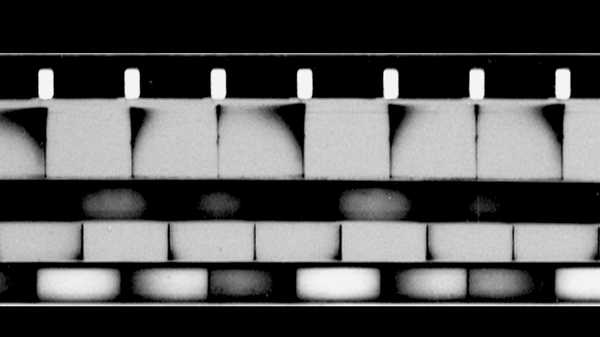
    The first one is “Cinema as Object” by the fact that Rhodes treated the physical materials of cinema as the artwork itself by the environment. The “score” of the piece is composed of the abstract black and white patterns drawn directly into the optical soundtrack area of the 16mm filmstrip, which made the film no longer the invisible medium for a narrative but rather becoming a physcial object which is a graphical score. I think similarly, the proejcctors are not hidden somewhere else from the audience like a cinema but rather placed in the center of the room as a sculptural objects, making the audience aware of the apparatus that generated the experience of this artwork.

    The second one is “Cinema as Performance” with the inseparable link of the projected image and the resulting sound, giving a sense of “what you see is precisely what you hear” and turning the act of proejction into a real time performance. Given the fact that there is the direct translation of the visual patterns to an intense and flickering soundtrack, it somehow made the viewer conscious of the medium’s process. With the audience participation as mentioned, the audience themselves can alter visual of the projection which further reinforcing the performative aspect which made a unique event co-created by the apparatus and the viewers present in the artwork space.

    Lastly the third one is the “Intermedia and Concept”. I believe this artwork from Rhodes is for the feminist motivation to reclaim the role of a femal composer by making the film strip her instrument that added a crucial conceptual layer, especially focused on where the composition is inseparable from the visual medium and to bypass the concept of the traditional way of male dominated musical structures, making this artwork not only an artwork but a political and philosophical statement.

    Conclusion

    I think in conclusion, this artwork “Light Music” provides a powerful demonstration of the expanded cinema’s “spirit of inquiry, disassembling the conventional cinematic experience of audience and reassembled it into a participatory environmnet that elevate viewer’s awareness of the entire space, the medium and the process. It also highlighted the process can become the performance, inviting audience or the users not just to consume content in today’s digital world, but also the actively engage with the system that creates it.

  • Research Blog 2 – Personality Inventory 7 by Pieter Schoolwerth’s

    Blog Topic: “Personality Inventory 7” – Pieter Schoolwerth’s

    Student Name: Chan Pak San

    Student number: 57155254

    Introduction

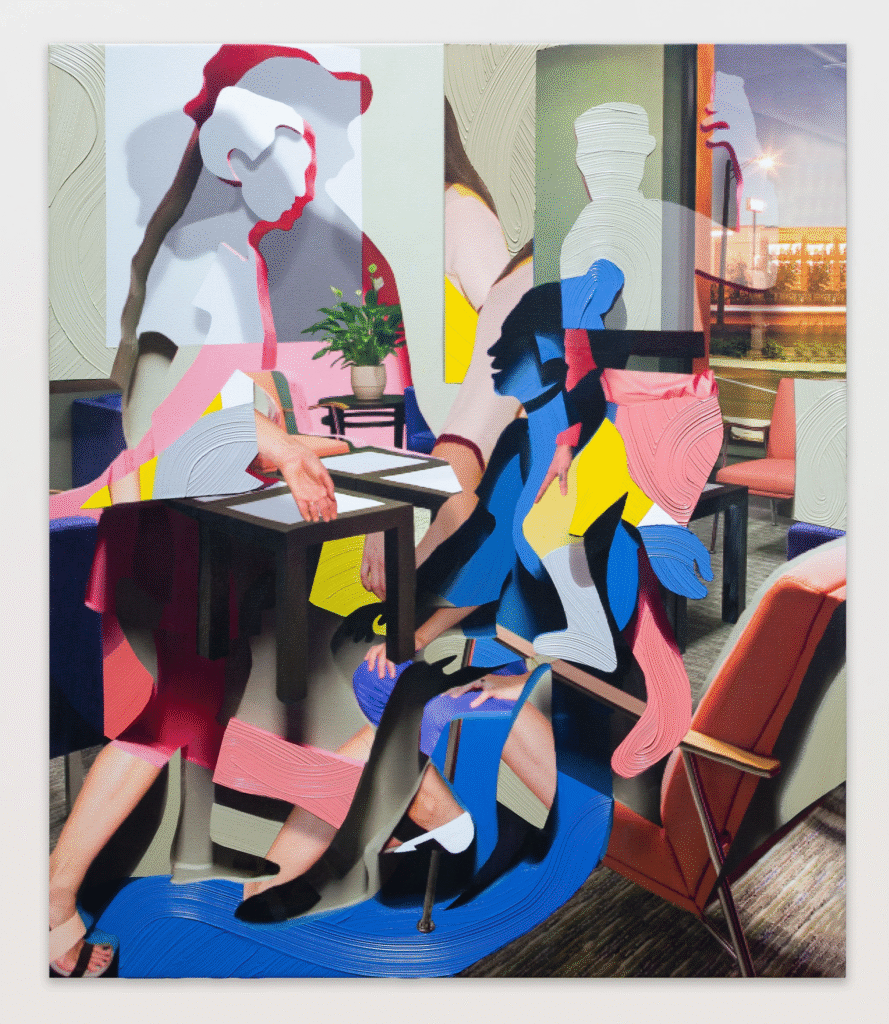
    The artist Pieter Schoolwerth works primarily with a hybrid method of painting which combines computer generated imagery with traditional methods of using oil and acrylic techniques. I am particularly interested in his work especially for “Personality Inventory 7” that explores the fragmentation of identity in our current digital age and the tension between physical and virtual realities which shows the way technology mediates our perception of human form. I think how he created this painting of layers of digital creation and the physical intervention provides a strong sense on the construction of the self in the post-internet world.

    For the research this week, I focused on the painting which appears to be from his 2019 series of works “Personality Inventory”. It serves a perfect illustration of many core concepts of new media art with compositing and glitch to the philosophical questions of a simulated reality.

    (Img source: https://www.k-t-z.com/artworks/772-pieter-schoolwerth-personality-inventory-7-2019/)

    Painting & Analytics

    From what I observed in the painting, it is built from distinct, non-integrated layers. The base layer is a photorealistic space of a lobby-like interior, which functions as the “signal” or the baseline reality. On top of the layer, there are many fragmented figures being composited in which some are blank silhouettes and some are assembled from the photorealistic limbs and abstract blocks of colors, creating a sense of “glitched” or corrupted digital file. For me this element relates to the concept of Potemkin Village, as the figures appear as hollow facades or like curated collections of parts hiding the lack of coherent and unified self behind them.

    I think the most significant feature is the thick final layer of gestural paint that traces and sometimes covers the printed elements. Relating to the Calude Shannon’s idea of signal to noise ratio, the clean digital image is the signal and the chaotic, while physical paint strokes introduce a deliberate “noise.” I believe Schoolwerth intentionally created these distortions to allow the body surface to disconnect from its underlying structure. This is also relevant to the visualization of Manovich’s principle of transcoding, in which the meshes, rigs, and potential for error becomes the language used to represent the cultural logic of a fragmented digital self.

    In regards to the question of how it reflects the quality of a digital image, I think the painting deconstructed the inherent qualities of a digital image itself. It is fundamentally flat, but with layers and surfaces composed of different blocks of colors. The contracts exposed the layered nature of digital creation just like most of the modern design softwares (illustrator/photoshop) where each element, the background, the figures, the vectors all exists on a seperated while editable layer making this digital architecture visible and tangible. Meanwhile, the compression and loss can be comprehended by the fragmented, hollow and distorted figures which could be a metaphor for data that is discarded during the digital translation of reality itself. And the most obvious is the malleability and glitches. A digital image is infinitely malleable in which the code can be warped, stretched and broken. He used the method of “breaking the rig” as a way to show exploitation of this quality, in which the surface can slide off the skeleton and the resulting glitches are not errors to be fixed but as evidence of the digital image’s inherent fragility and artificiality.

    Conclusion

    With the latest technology like generative AI recreating images and remixes, I believe there are more space to explore beyond traditional layering and deliberate glitching. In reference to Manovich’s variability and modularity, where each generated image is a unique version shaped by algorithmic processes or you can say a neural network. There could be more approaches on the tension between human intentionality and algorithmic creativity.

  • Research Blog 1 – “We the People” (2011-2013) Danh Vo

    Research Blog 1 – “We the People” (2011-2013) Danh Vo

    Blog Topic: “We the People” – Danh Vo (2011-2013)

    Student Name: Chan Pak San

    Student number: 57155254

    Introduction

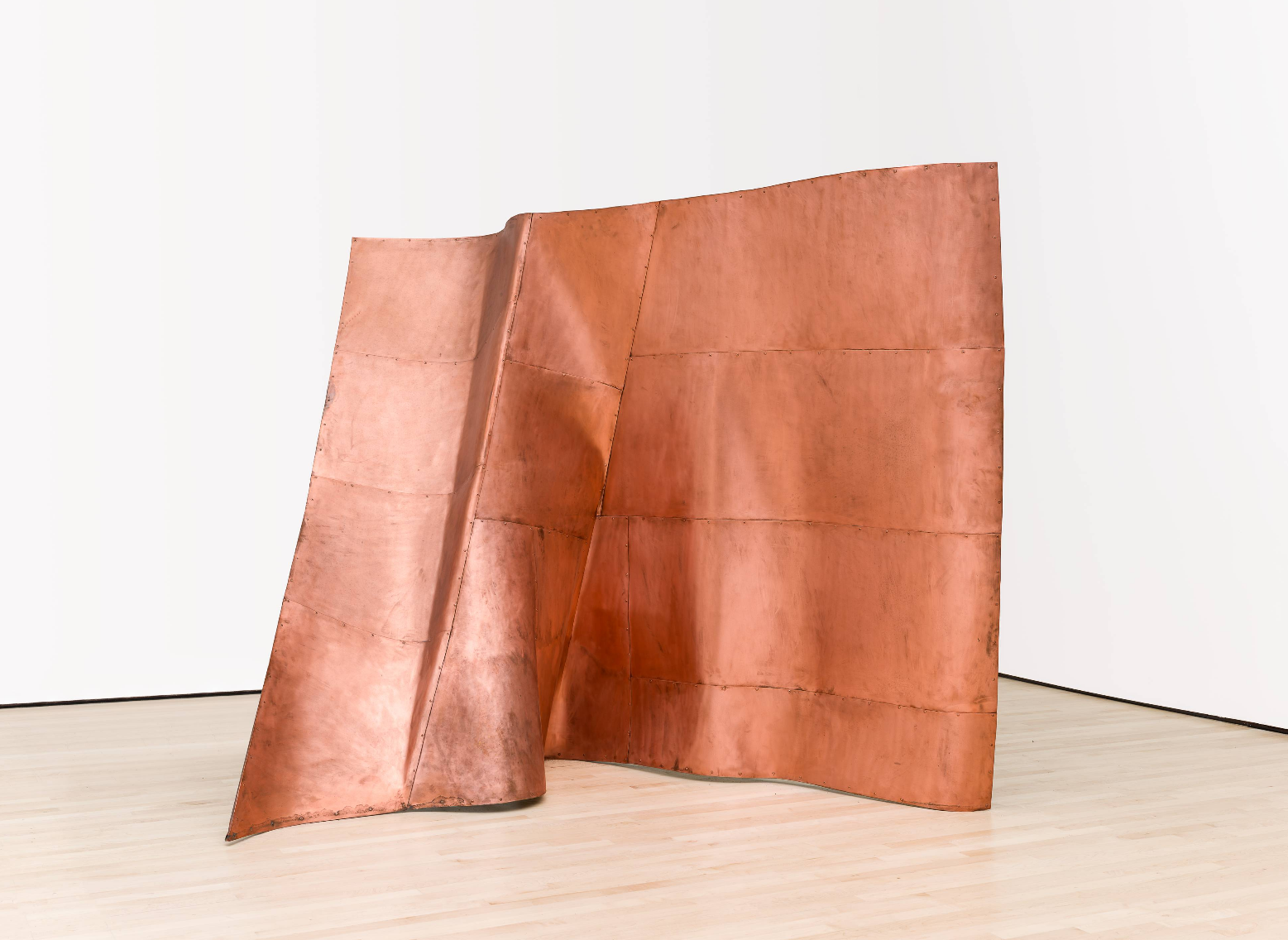
    Danh Vo in such artwork “We the People” focused primarily on the large-scale conceptual installations using the fragmented cultural symbols with a collaborative production processes with the artwork. I am mostly interested in the systematic deconstruction of national icons and using the fragmentation methods dated back into the 19th century. And what also interesting is Danh Vo used the global artworks circulation as critique and giving meaning with the transformation through displacement while highly relevant with our digital century processing collective memories and the identifiy formation

    (Img source: https://lesoeuvres.pinaultcollection.com/en/artwork/we-people-detail)

    (Img source: https://smarthistory.org/danh-vo-we-the-people/)

    Artwork & Analytics

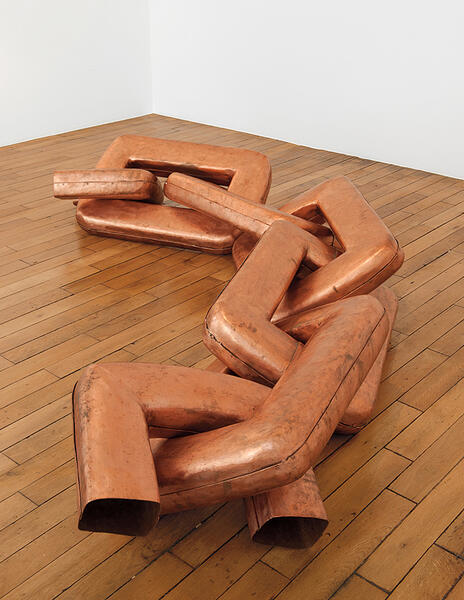
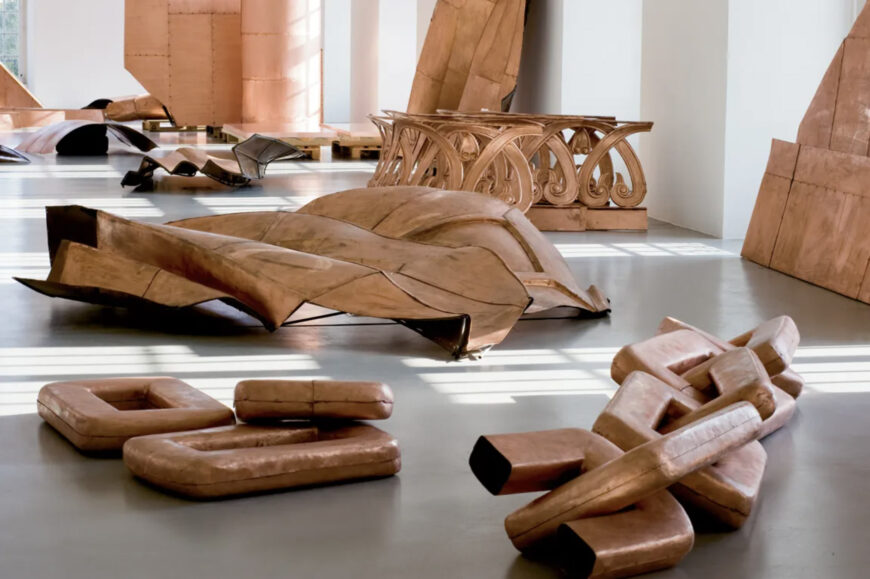
    The creation of this artwork is dealing with the subject of memory through the complete fragmentation and a global dispersal of a full scale Statue of Liberty replica. It has demonstrated the systematic processes to transform the iconic symbols to networks of meaning and that can operate across multiple cultural contexts simultaneously.

    This work has contained over 250 individual hammered copper fragments, and each of the pieces precisely matching the original statue’s dimension but have never reassembled into a complete form. I think for me, the element evoked the connections to McLuhan’s concept that “the medium is the message” which align with the systematic framentation and global distrubtion as the primary content and critique the unified national identity very powerfully. It given how the fragment each functions simultaneously as an abstract sculpture and political critique which can be viewed depending on the exhibition context and also the viewer’s own cultrual background.

    In the Smarthhistory analysis, it noted that by exposing the visible supporting structures and joints Vo reveals the hidden fragility beneath Lady Liberty’s table exterior (Sanyal, n.d.). With that said, I believe the opinion that this showxs a perpetual incompleteness that constantly defers and shifts through the gaps between the fragments rather than residing in any complete form which also aligned with Manovich’s concepts of modularity and variability as each fragments operates as an independent database entry that generates different meanings through the algorithmic recombination through a global exhibition contexts.

    Conclusion

    With the artwork “We the People” that demonstrates the idea of collecting (gathering cultural symbols), structuring (the systematic fragmentation) and also display (a global network distrubtion) in fact got me thinking for my own work in the future, I could probably explore how the digital fragmentation of cultural symbols operates across social media platform. Probably by creating systematic breakdowns of iconic images that might circulate the give new meanings with new medium and tools like sharing, remix and recontextualization in different communities and cultrual contexts.

    References

    Sanyal, S. K. (n.d.). SmartHistory – Danh vo, we the people. https://smarthistory.org/danh-vo-we-the-people/