Topic: Research Blog 5 – “AI and Machine-Assisted Creativity” Memo Akten
Student Name: Chan Pak San
Student number: 57155254
Introduction
For me I think the most compelling new media art is not just using different technologies as a tool but turning the tool back on itself to reveal something true about our own world. Memo Akten explores AI and different machine learning techniques like DL not just as a means for creating aesthetics that many people can do nowadays, but showing the very nature of our human perception and the hidden biases of the society we are living in like a mirror. His practice is not as simple as “Can a machine be creative?” but really a territory where a machine has a particular way of “seeing” could teach us about ourselves. I have chosen his artworks ‘WordOfMathBias” and “We are made of star dust” as the examples for this research demonstrating the machine-assisted creativity and also touching the concepts like intentional agency and ethical dimensions of AI mentioned in the lecture.
WordOfMathBias (2016)
(Img source: https://www.memo.tv/works/wordofmathbias/)
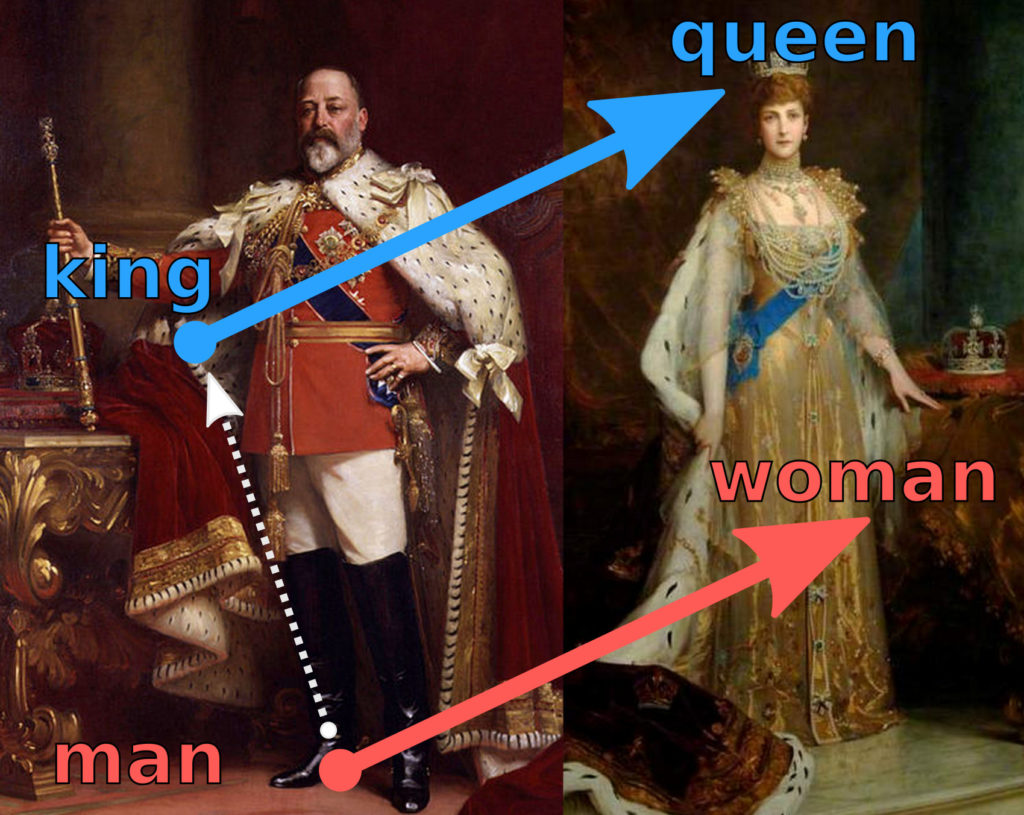
I see this artwork as a direct confrontation of the “ethical and social dimension of AI” which takes a critical stance on the objectivity of statistical AI with vectorizations of reality. This artwork utilized the Google Word2Vec model, translating words into numerical vectors like “king – man + woman = queen”. This illustration revealed the deep-seated gender and racial biases which AI has learned from its training data, where the data shapes reality into a biased mind.
Yet, the most powerful of this work is that it serves a real-world example of the “Clever Hans” effect regarding the uncertainty of what a model has actually learned. The model association of men with careers and women with domesticity are not errors” but a direct reflection of the biases presented in the corpus of the text the model was fed, linking back to the “intentional agency” where Akten critiques the idea of these algorithm as a neutral creator instead of exploding it as the product of its environment, suggesting even this sophisticated AI models is shaped by the “systems of myth and meanings structuring our imaginations”.
We are made of star dust (2017)
(Img source: https://www.memo.tv/works/we-are-made-of-star-dust/)
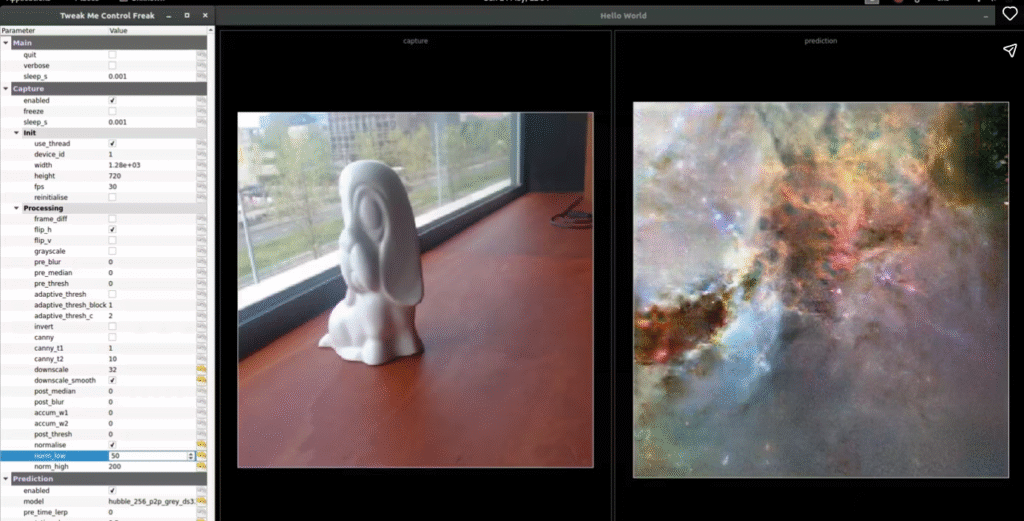
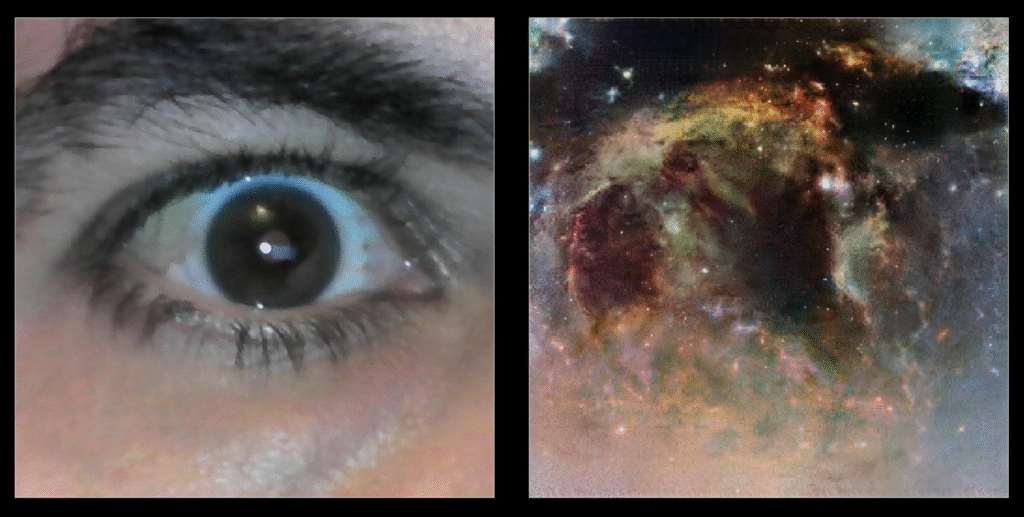
Unlike the WordOfMathBias revealing the hidden logic behind AI models nowadays, this work “We are made of star dust” make the process of machine perception of our reality poetic and more of a interactive experience similar to the “Learning to see: Gloomy Sunday (2017)” that was discussed in the lecture. The AI for this work was trained exclusively on specific datasets of images from Telescope, using it to interpret a live feed of our everyday objects. This installation visualized the AI’s “period eye” perception of historical and cultural context, but in this work by a curated dataset.
This work in fact raised a question that I was thinking, is AI discovering the “true’ form of the objects” or is it imposing its limited pre-trained knowledge of the objects with the concept of pattern discovery vs pattern imposition? Akten suggests the latter as his opinion which any form of intelligence, whether it is human or AI, in fact perceives the world through a filter of prior experience. I think this is more than simply Turing test’s of simple imitation game, but instead a more philosophical understanding of “hard problem of consciousness” regarding the subjective experience of “seeing”.
Conclusion
My reflection of these works is rather claiming the AI as an autonomous creator, the artists should instead curate conditions under which it operates to reveal things new about both the machine and ourselves. I think the most critical concept is while we are developing the increasingly complex AI, we are still required to be critical on the values embedded with these AI and conscious of how they shape our own perception of the reality.
Leave a Reply